Revistas
-
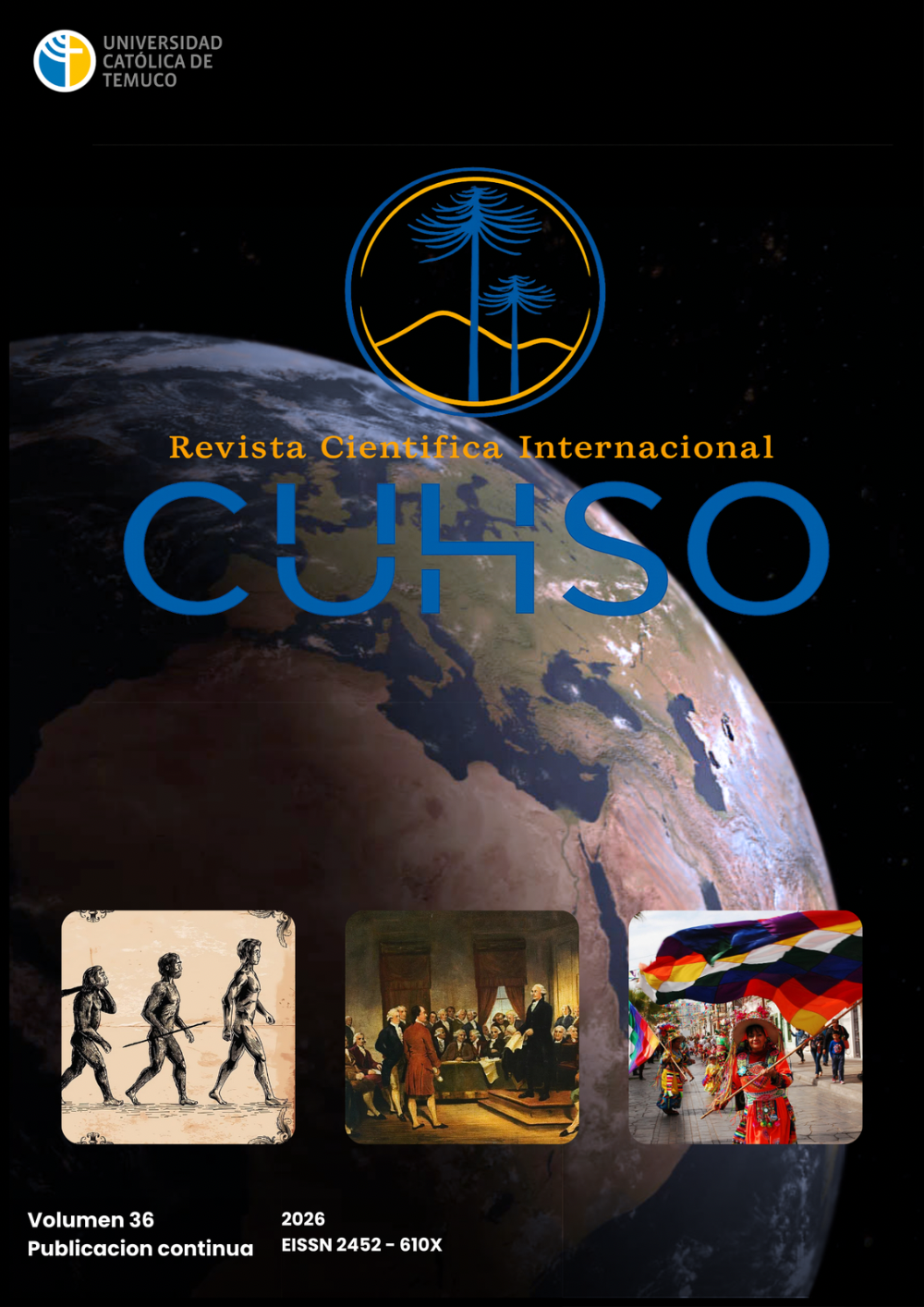
REVISTA CUHSO
CUHSO es una revista científica de acceso abierto (Ruta Diamante) y publicación continua, editada por la Facultad de Ciencias Sociales y Humanidades de la Universidad Católica de Temuco. Publica investigaciones originales, ensayos y revisiones en Ciencias Sociales y Humanidades, con especial interés en los procesos culturales, políticos y territoriales del Sur Global.
Recibe manuscritos en español, inglés, francés, portugués, italiano y mapudungun, los cuales son evaluados mediante un riguroso proceso de revisión por pares ciegos (double blind peer review).
Indexaciones principales: Scopus (Q2) · Web of Science (ESCI) · Redalyc · Latindex · Dialnet
eISSN: 2452-610X
-
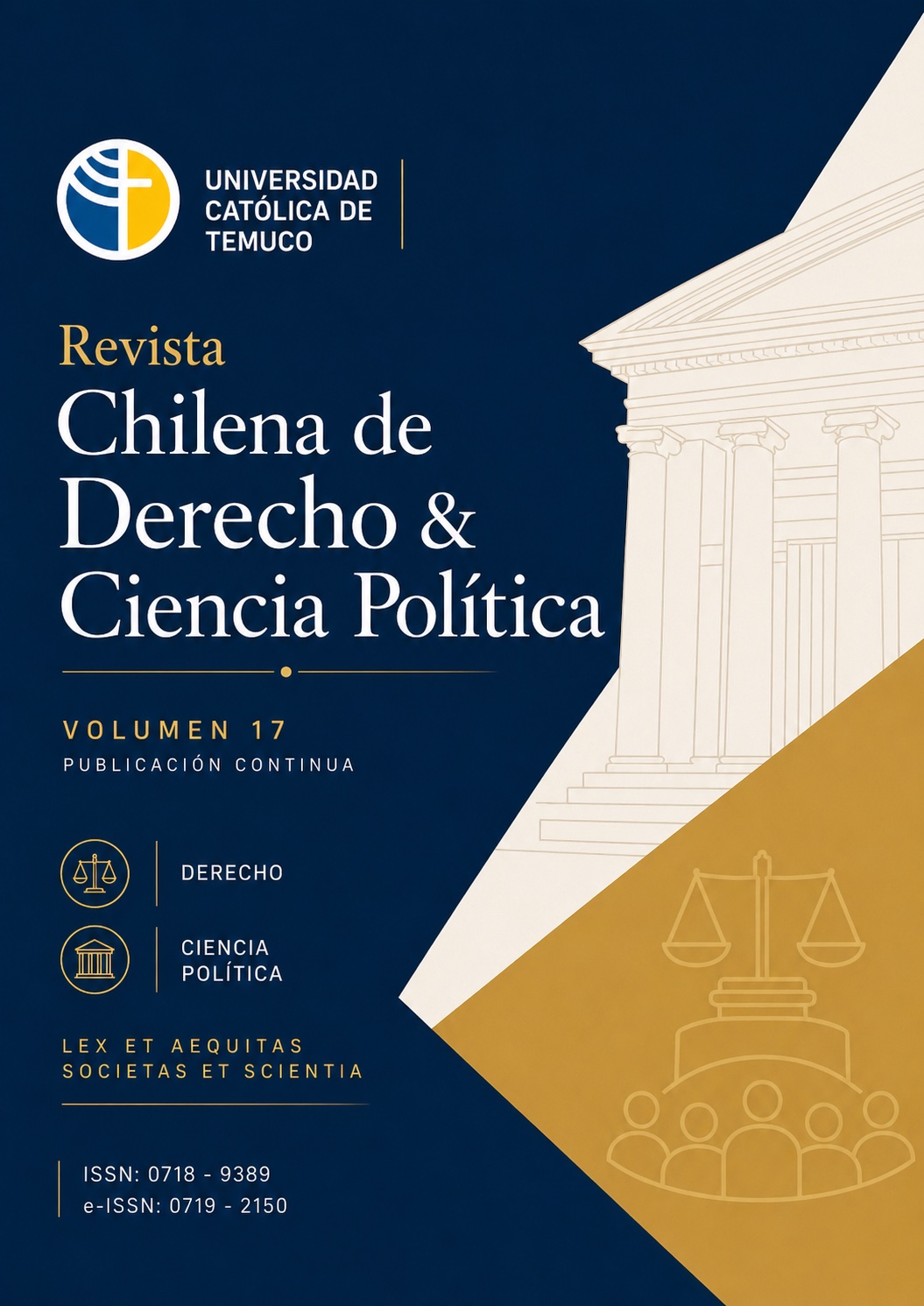
Revista Chilena de Derecho y Ciencia Política
La Revista Chilena de Derecho y Ciencia Política es una revista de acceso abierto, editada por la Universidad Católica de Temuco (https://www.uct.cl) que recibe trabajos de investigación originales de Derecho y Ciencia Política en lengua española, inglesa y portuguesa. Se trata de una publicación continua en línea que trabaja mediante el sistema de revisión de dobles pares ciego (double blind peer review).
La revista posibilita el acceso abierto, inmediato y gratuito a todos sus textos, que pueden ser consultados y descargados desde su página web.
ISSN: 0718-9389
eISSN: 0719-2150
-
-
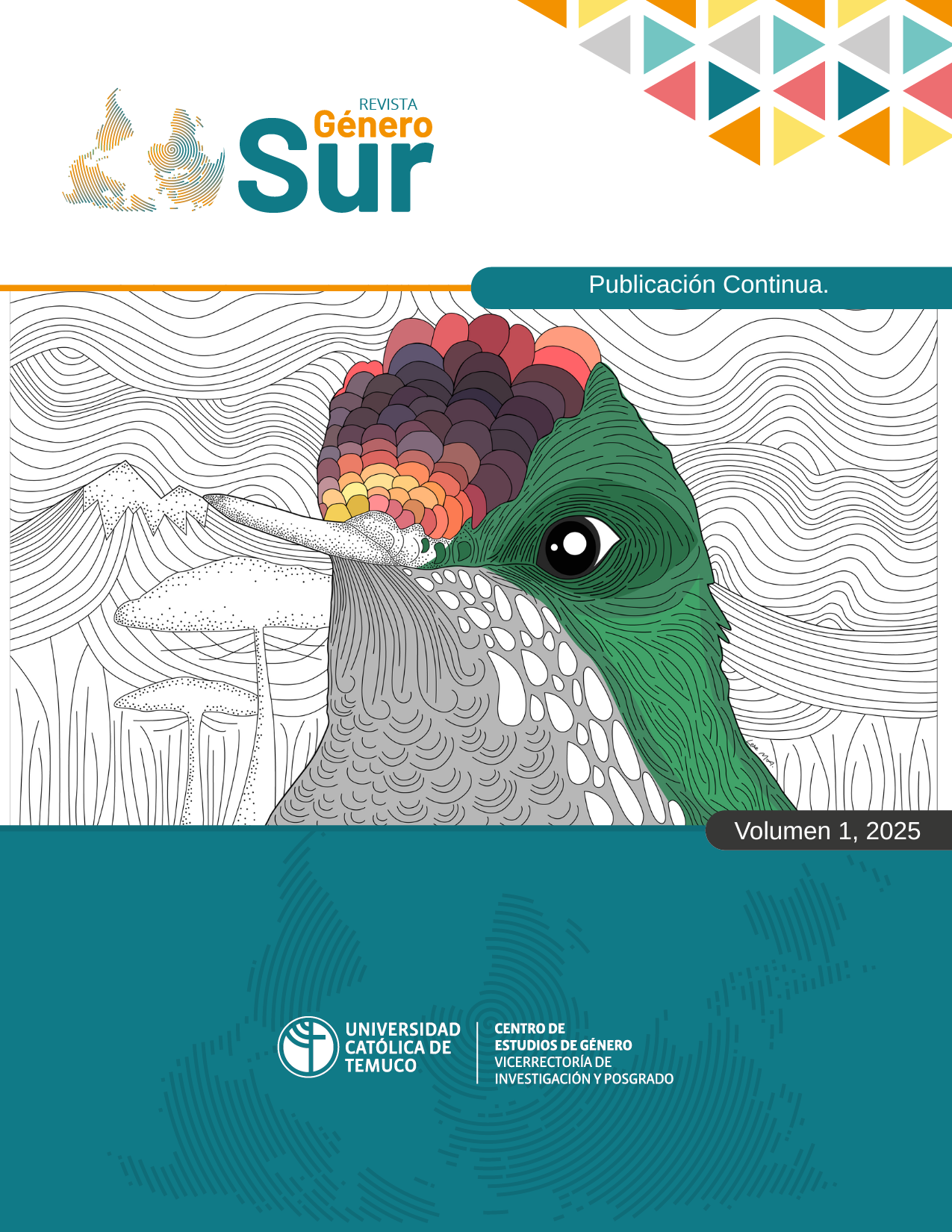
Revista Género SUR
Revista Género SUR es una revista electrónica de carácter inter y transdisciplinar de Acceso Abierto (ruta diamante) adscrita al Centro de Estudios de Género de la Universidad Católica de Temuco (CEG-UCT), que tiene como objetivo difundir y promover debates y reflexiones en el campo de los Estudios de Género y Teorías Feministas. La Revista se caracteriza por fomentar investigaciones que consideran el análisis de la categoría de género y su interacción con prácticas y relaciones sociales, culturales, económicas, históricas y políticas que configuran al territorio. De esta manera, se centra en investigaciones que problematizan las relaciones de poder y las dinámicas de dominación, así como las negociaciones y resistencias frente a éstas.
Editora en jefe
María Cecilia Fernández Darraz.
Doctora en Ciencias Humanas con mención Discurso y Cultura.
Institución
Revista Genero Sur es editada por la Universidad Católica de Temuco (https://www.uct.cl) recibe trabajos de investigación originales en español, inglés, portugués y mapudungun. Se trata de una publicación continua en línea que trabaja mediante el sistema de revisión de dobles pares ciego (double blind peer review).
eISSN: 3087-2359
-

Sustainability, Agri, Food and Environmental Research-DESCONTINUADA
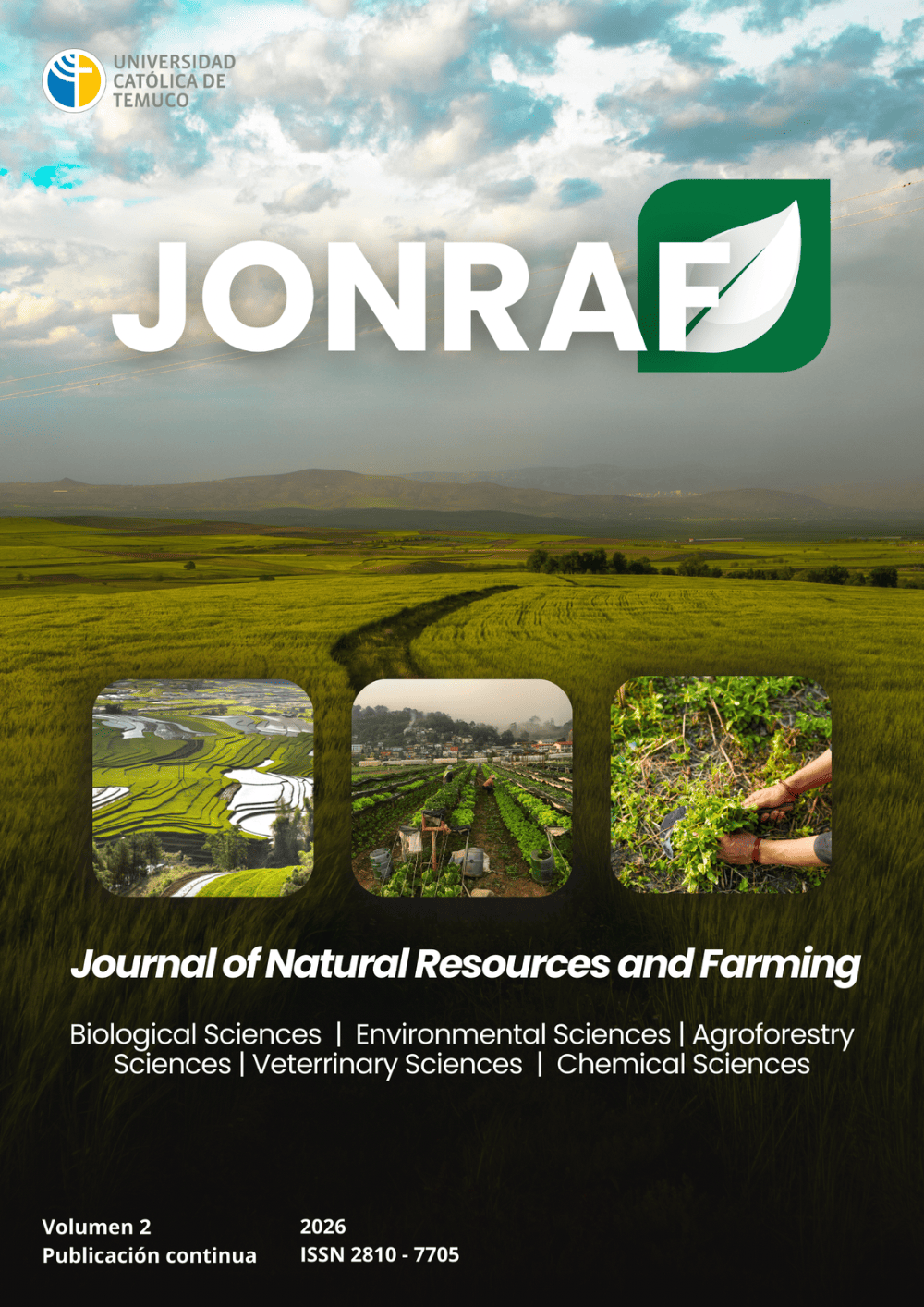
Esta revista pertenece a la Facultad de Recursos Naturales de la Universidad Catolica de Temuco, el objetivo es publicar artículos científicos y técnicos en el área de la agronomía, silvicultura, veterinaria, acuicultura y ciencias ambientales, en español, inglés y portugués. Esta revista está indexada en:
- Directory of Open Access Journal (DOAJ).
- Latindex (directorio y catalogo)
- GIGA (German Institute of Global Area Studies)
- UGC (University Grants Commission-India)
ISSN: 0719-3726